The Illusion of Freedom: Choosing Your Wheels Wisely
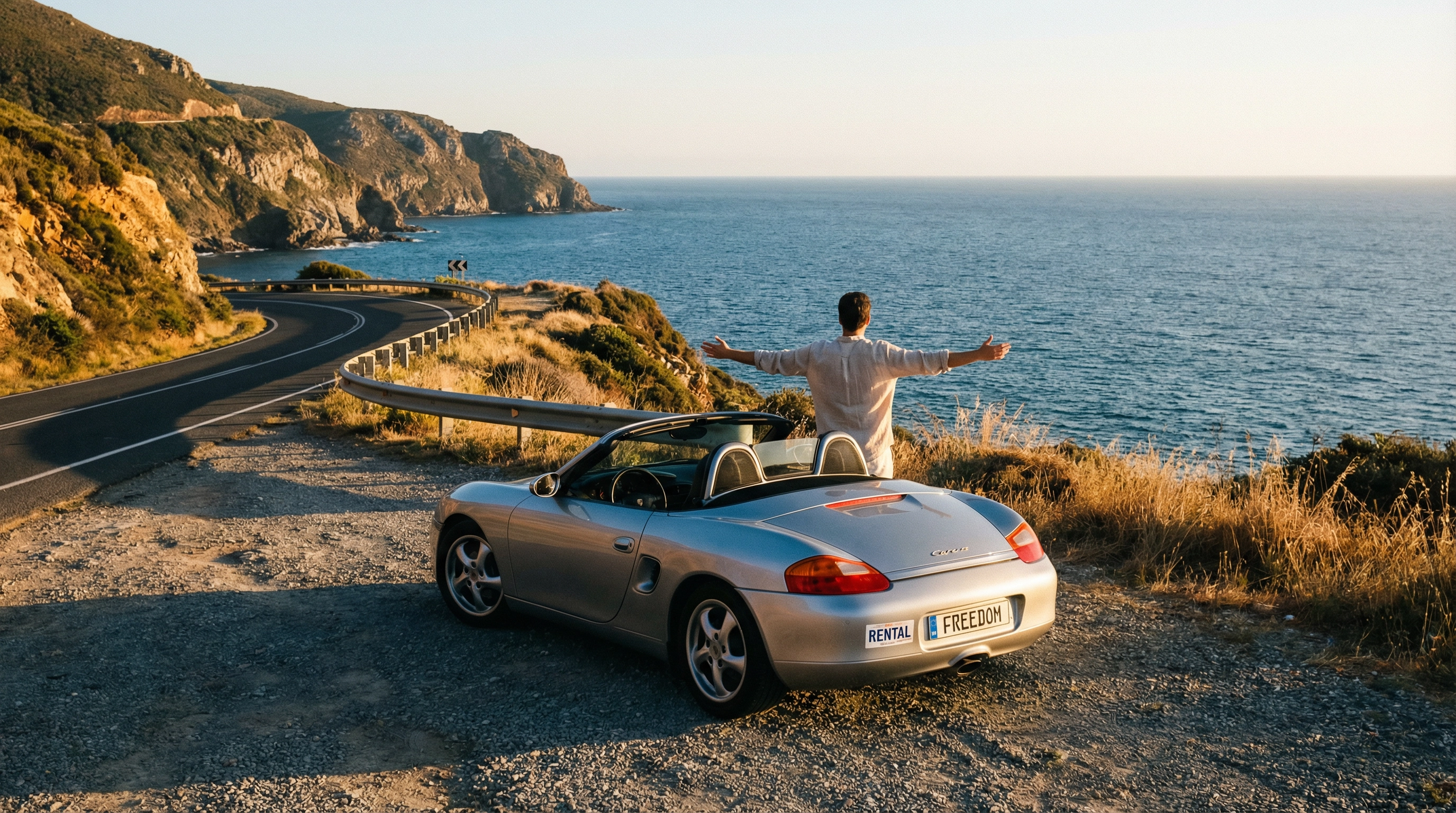
There is a romantic image of travel that is hard to shake: the open road, the wind in your hair, the ability to turn left just because the view looks promising. It is the promise of the rental car. It sells us the idea that with a set of keys comes absolute freedom.
But freedom is contextual. On the Pacific Coast Highway, a car is freedom. In the center of Florence, a car is a liability. It is a two-ton anchor that you must navigate through pedestrian zones, protect from aggressive scooters, and pay a fortune to park.
The Three Modes of Mobility
When we choose a mode of transport, we are choosing how we want to interact with a place. Broadly speaking, there are three modes: The Pilot, The Passenger, and The Pedestrian.
The Pilot (Rental Car/Bike) You are in control. You choose the playlist, the temperature, and the route. This is ideal for rural exploration, island hopping, or regions where public transport is sparse. But being the pilot requires hyper-vigilance. You cannot look at the scenery because you are looking at the road. You are not observing the culture; you are navigating its infrastructure.
The Passenger (Taxi/Transfer/Train) You surrender control for attention. When you sit in a train or the back of a transfer van, your cognitive load drops to zero. You can read, sleep, or stare out the window. You are moving through the landscape, but you are separated from it by glass and speed. This is the mode for efficiency and inter-city travel.
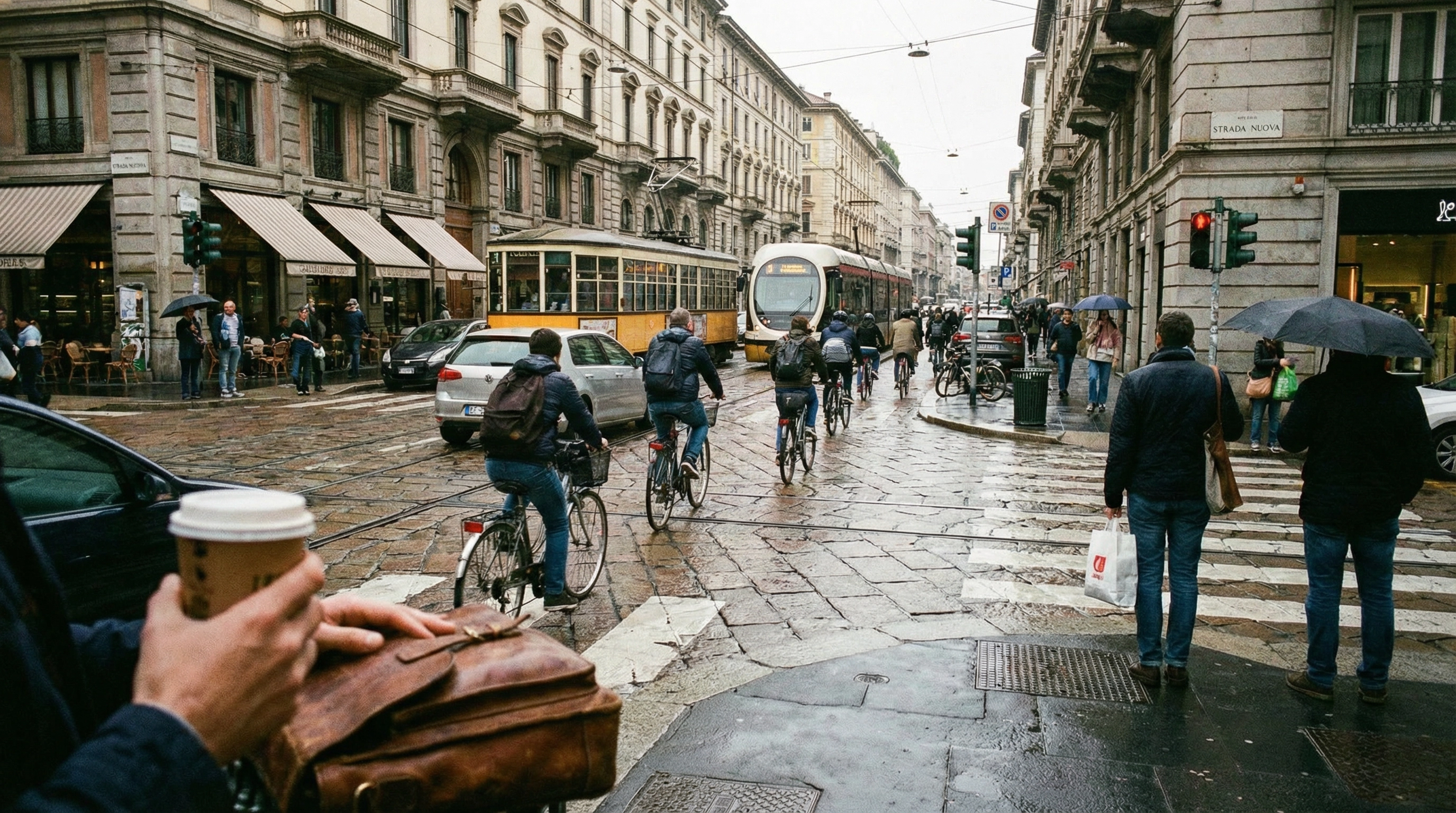
The Pedestrian (Walking/Public Transit) This is the most immersive mode. You are exposed to the elements, the smells, and the noise. You are vulnerable, but you are also accessible. Serendipity happens when you are on foot. You don't discover a hidden bakery at 60 km/h.
The "Just in Case" Trap
Many travelers default to renting a car "just in case." Just in case we want to go to that distant beach. Just in case the buses are slow. Just in case it rains.
This is the illusion of freedom. We pay for the potential to go anywhere, but often end up paying for the reality of parking garages. I once rented a car for a week in Paris. I used it twice. The rest of the time, it sat in an underground bunker costing me €30 a day, while I happily took the Metro. I was paying for a freedom I didn't need and couldn't use.
Matching Mode to Mindset
Before you book, ask yourself: What is the goal of this trip?
If the goal is discovery, ditch the car. Use public transport to get to a neighborhood, then walk. Let the city dictate your pace. Read The Rhythm of Transit to understand how local schedules shape local life.
If the goal is escape, get the car. Go where the train tracks don't. Find the silence. But be honest about the costs—not just financial, but mental.
If the goal is arrival, book the transfer. Don't try to be a hero after an 11-hour flight. There is no glory in navigating a foreign highway system while jet-lagged.
The Hybrid Approach
The best itineraries often mix these modes. You don't need one solution for the whole trip. Take a transfer from the airport to your city hotel. Use the metro for three days of urban exploration. Then, rent a car for the two-day side trip to the mountains.
We tend to look for a single "best" way to get around, but the best way is fluid. It changes with the geography, the time of day, and your own energy levels. True freedom isn't having a car; it's having the flexibility to choose the right tool for the moment.
Curious about the hidden costs of "cheap" travel? Check out The Cost of Assumption.