The Sixty-Minute Buffer
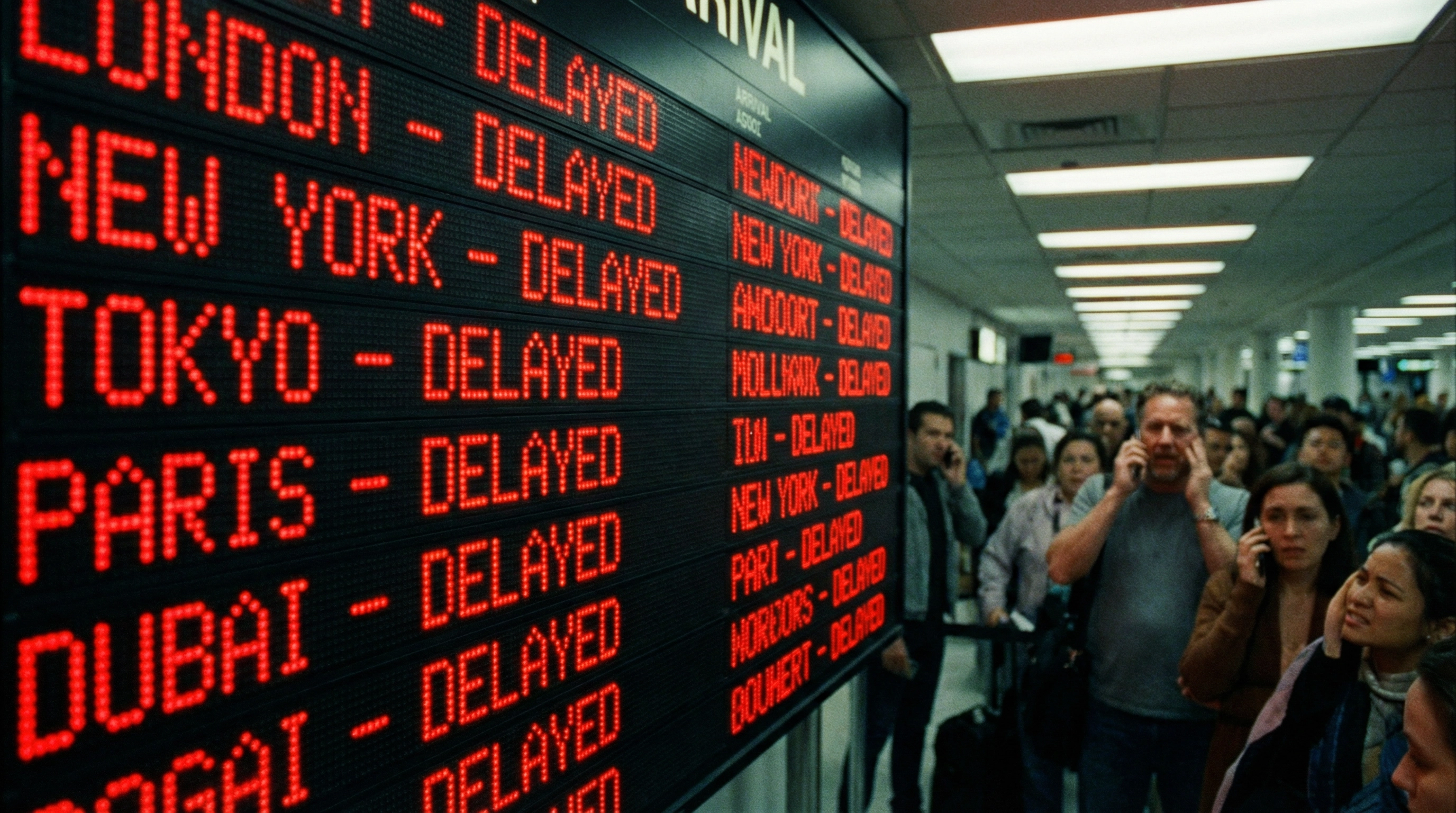
There is a specific kind of helplessness that sets in when you are sitting on a tarmac, the plane’s engines idling, and the pilot announces a forty-minute delay due to congestion. You check your watch. You check your connection. And then, you check your mental inventory of what is waiting for you on the other side.
If you are relying on public transport or a ride-hailing app, the anxiety is manageable. The train will leave without you, but there will be another one. The Uber driver might cancel, but you can request another. But if you have pre-booked a private transfer, the calculation changes. You are now racing against a clock that started ticking the moment your flight was supposed to land.
I learned to obsess over this detail after a chaotic arrival in Mumbai. My flight was delayed by an hour. By the time I cleared immigration—another forty-five minutes—my driver had left. The company’s policy was strict: they waited for sixty minutes after the scheduled arrival time, then marked the booking as a "no-show." I was left navigating a chaotic arrivals hall at 2 AM, haggling with touts, exhausted and frustrated.
The mistake I made was valuing the wrong metric. I had chosen the service based on the lowest base price, ignoring the "complimentary wait time" clause buried in the terms and conditions. I saved ten dollars on the fare but lost fifty dollars and two hours of sleep dealing with the fallout.
Now, when I evaluate airport transfers, I look for one number before I look at the price: the wait time. A standard service might offer 45 minutes. A premium service often includes 60 minutes or more, with active flight tracking that adjusts the pickup time automatically. This isn't just a perk; it is a buffer against the inherent unpredictability of modern air travel.
This is why services like KiwiTaxi have become a staple in my travel toolkit. Their model is built around the reality that flights are rarely on time. By including flight monitoring and a generous wait time buffer, they transform the arrival experience from a race into a reunion. You walk out of the gate knowing that the driver is there because they are tracking your plane, not just your schedule.
The value of this buffer is psychological. It allows you to sit on that delayed plane without panic. It allows you to wait in the slow-moving immigration line without checking your watch every thirty seconds. You are paying for the assurance that your transportation is synchronized with your actual arrival, not your theoretical one.
In the grand scheme of a trip, the cost difference between a rigid service and a flexible one is often the price of a coffee. But the difference in experience is the difference between starting your journey with a spike of cortisol or a sigh of relief. We cannot control the air traffic control delays or the length of the customs queue, but we can choose a service that accommodates them.
Compare airport transfer policies Why predictability matters more than price Flight Delay Statistics by Bureau of Transportation